

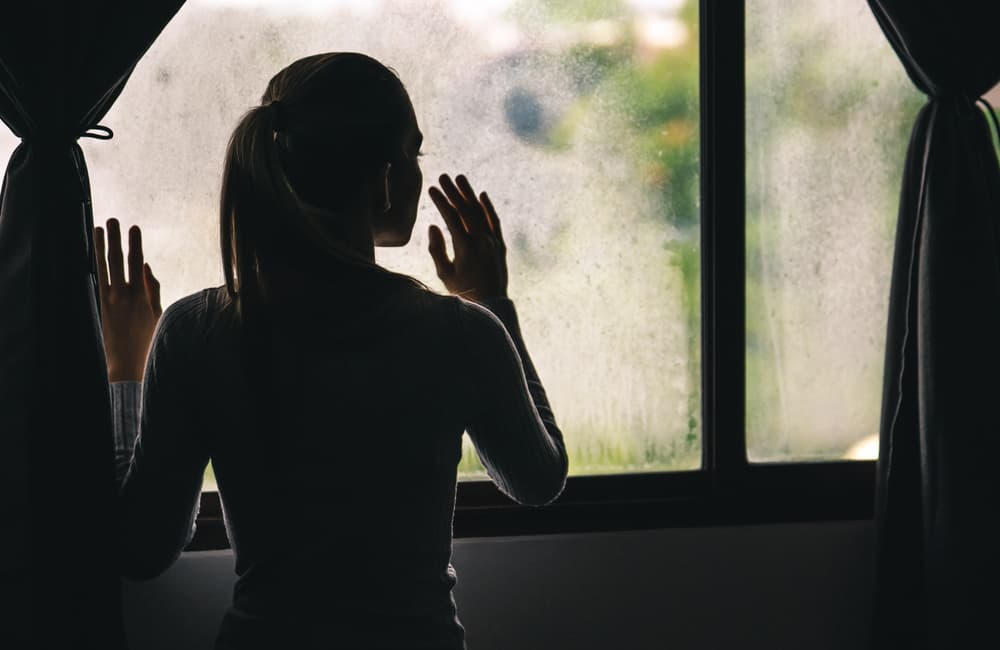
Social isolation affects people of all ages. It may happen when someone has few regular interactions and limited relationships, coupled with little access to meaningful support. A person can also feel lonely even when they are around others, especially when those relationships do not feel close or safe.
Those who specialize in social work and community work focus on community connection because it is closely tied to good health. Strong social support networks help people manage stress and cope with the inevitable changes life brings. Connections also offer help when life becomes difficult.
When people feel disconnected for long periods, the effects reach far beyond mood. Social isolation impacts mental health and overall well-being. In the worst cases, it also affects physical health. It’s an important issue because isolation and loneliness in the United States have reached what health officials consider epidemic proportions.
What Social Isolation Means
Social isolation refers to a lack of regular social contact. It differs from loneliness, which is the feeling of being disconnected or lacking meaningful relationships. Some people experience both at the same time.
A person may become socially isolated after a major life change. This can include moving to a new city, losing a job, retiring, going through a divorce, becoming a caregiver, or experiencing the death of a loved one. Health problems, disability, transportation barriers, poverty, and limited access to technology can also make it harder to stay connected.
While many associate social isolation with older people, it is not limited to that group. Young adults, parents, veterans, people with disabilities, rural residents, and people facing mental health challenges also experience isolation. In some cases, they withdraw from social contact because of anxiety, depression, grief, or past trauma.
It’s a widespread issue. About one in every three U.S. adults says they feel lonely, while about one in four reports not havi/ng social and emotional support, according to the Centers for Disease Control and Prevention.
That makes social isolation a broad public health concern, not just a private struggle.
How Isolation Affects Mental and Physical Health
People need connection. Social support can help reduce stress and give people a sense of stability and belonging. Without that support, daily problems can feel harder to manage.
Poor social connection is associated with increased risk for anxiety, depression, heart disease, stroke, dementia, and premature death, according to an advisory from the U.S. Surgeon General. The advisory also reports that loneliness and social isolation are linked to increased risk for premature death.
These effects show up in different ways. A person may sleep poorly, lose interest in activities, feel more irritable, stop answering calls, or avoid events they once enjoyed. They may miss appointments and struggle with self-care. They may eventually lose motivation to even ask for help.
Social isolation can also create a cycle. The longer a person feels disconnected, the harder it may become to reach out. Embarrassment, fear of rejection, or low energy can make isolation feel normal, even when it is harming health.
Early Signs Someone May Need More Support
Social isolation is not always easy to see. Some people keep working, attending school, or taking care of family responsibilities while still feeling deeply disconnected. Common signs may include:
- Pulling away from friends, family, or usual activities
- Expressing feelings of loneliness, hopelessness, or being a burden
- Losing interest in hobbies or community events
- Missing school, work, appointments, or social commitments
- Having few people to call during a problem
- Showing changes in sleep, mood, appetite, or energy
These signs do not always mean someone is in crisis. But they can show that a person needs more connection and may need professional support.
How Communities Can Rebuild Connection
Community connection does not happen by accident. It often depends on local systems that make it easier for people to meet and seek help.
Schools can support connection through mentoring, counseling, clubs, peer programs, and family outreach. Healthcare providers can screen for loneliness and connect patients with local resources. Nonprofits can offer support groups, food programs, transportation help, volunteer opportunities, and senior services. Libraries, recreation centers, faith communities, and local organizations can create low-cost gathering places where people feel welcome.
The CDC notes that social connectedness can improve quality of life, health, and well-being. It also points to community-level approaches that help people build and maintain supportive relationships.
Small steps matter. A weekly class, a neighborhood event, a support group, or a volunteer shift helps someone rebuild routine and connection. For people facing barriers, practical help may be just as important as emotional support. Services in areas such as transportation or childcare are needed for some people to participate.
How Helpers Support People Who Feel Disconnected
Helpers often serve as bridges between isolated people and the resources around them. Social workers, counselors, healthcare workers, educators, and nonprofit staff help people identify their needs and connect with the social support networks that can help them.
This work also includes listening, assessing safety, connecting people with benefits or services, and helping them take manageable next steps. It can also include advocacy. A social worker may notice that one person needs support, but also see a larger community problem, such as a lack of transportation, youth programs, or mental health services.
That is why social isolation is both a personal and community issue. Helping one person matters, as does building stronger systems that benefit everyone.
Prepare to Support Communities Through Social Work
NMU Global Campus offers an online Bachelor of Social Work program that prepares students for careers supporting individuals, families, and communities. The program is designed for students motivated to understand human behavior and the challenges that affect well-being.
Students in NMU’s online BSW program explore topics connected to social work practice, advocacy, ethics, and community support. That foundation can help future professionals work with people who are facing isolation, mental health challenges, family stress, poverty, or other barriers to connection.
For students who want to make a difference in people’s lives, social work offers a path to meaningful service. The online BSW program prepares graduates with the skills they need to support healthier, more connected communities.


