

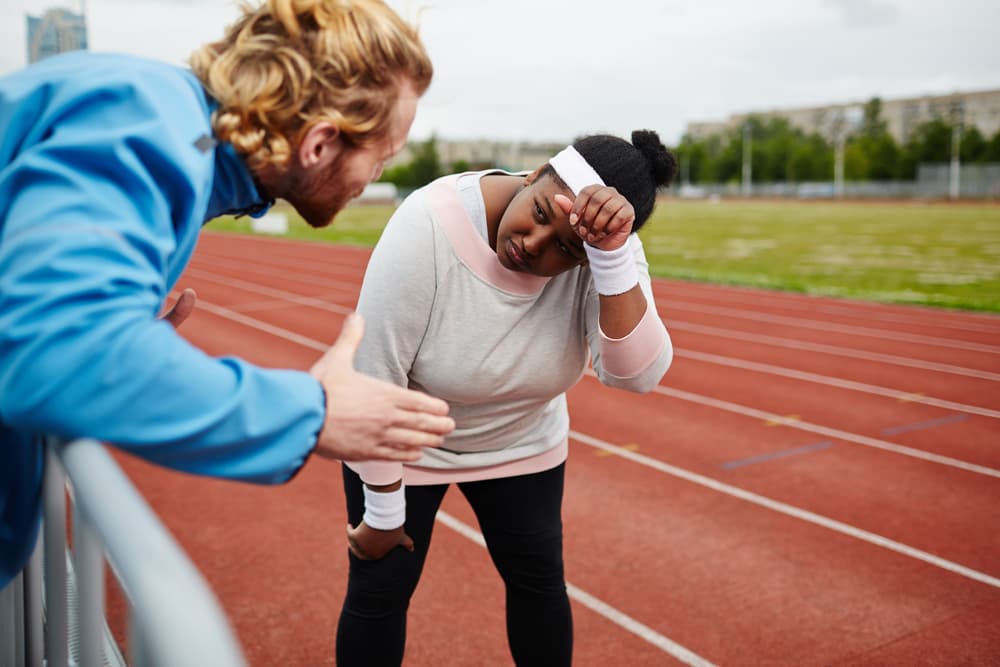
Applied sport psychology uses psychological principles to help athletes and other performers strengthen the mental side of performance. Through strategies such as goal setting, visualization, self-talk, and emotional regulation, athletes can learn to concentrate under pressure and maintain motivation through setbacks. These skills can support stronger results in competition while also promoting resilience and long-term well-being.
Mental Skills Training Builds Better Habits
Physical skills improve through regular, deliberate practice. Mental skills work much the same way. Athletes can develop routines that help them prepare for competition, respond to mistakes, and remain composed when the pressure rises.
The American Psychological Association explains that sport psychology applies psychological knowledge and skills to performance and well-being. Mental skills training may include breathing exercises, mindfulness, visualization, positive self-talk, and pre-performance routines.
Each technique gives athletes a practical way to manage thoughts and emotions. Visualization, for example, allows athletes to mentally rehearse a movement or competition scenario before performing it. A basketball player might picture a successful free throw. A runner could mentally review pacing strategies for a race.
These strategies are not designed to eliminate nerves or guarantee a certain result. Instead, they help performers recognize what they can control and develop productive responses to difficult situations.
Motivation Connects Daily Work to Long-Term Goals
Athletic progress often depends on the ability to keep working at getting better. Motivation can rise after a win and fall after an injury or poor performance. Applied sport psychology examines these patterns and helps athletes connect daily habits to meaningful goals.
Effective goal setting often includes a combination of performance and process goals. A performance goal could involve improving a personal record. Process goals focus on specific actions, such as maintaining proper technique or completing a training schedule.
Process goals can be especially useful because they direct attention toward behaviors the athlete can control. They also create smaller measures of progress. This may help athletes stay engaged even when the larger outcome remains months away.
Confidence Grows Through Preparation and Perspective
Confidence is not simply the belief that everything will go well. Sustainable confidence is grounded in preparation and the ability to respond when something goes wrong.
Athletes strengthen confidence by reviewing past successes and identifying what worked and what did not. Mental skills such as constructive self-talk can also help them replace broad negative statements with useful instructions.
An athlete who thinks, “I always fail under pressure,” may become distracted by fear of making another mistake. A more productive cue might be, “Stay balanced and follow through.” The Association for Applied Sport Psychology describes cue statements as short phrases that help performers redirect attention away from distracting thoughts.
Confidence also depends on how athletes interpret setbacks. A poor performance is treated as proof that an athlete lacks ability. Applied sport psychology encourages performers to identify what happened and turn their attention to the next opportunity.
Positive Coaching Supports Performance and Well-Being
Coaches influence more than strategy and physical development. Their communication shapes an athlete’s confidence, motivation, and willingness to learn. Positive coaching creates clear expectations while treating mistakes as part of development.
This does not mean avoiding criticism or lowering standards. Effective coaches provide specific feedback. Instead of focusing on personal shortcomings, they address how to make better decisions that lead to better performance.
Positive coaching also recognizes the connection between performance and mental health. The NCAA describes mental health as an integral part of student-athlete health. Coaches and mental performance professionals must understand their roles, recognize signs that an athlete may need additional support, and refer athletes to qualified mental health providers when appropriate.
Careers in Applied Sport Psychology
Training in applied sport psychology can support several career directions. Mental performance consultants may work with individual athletes, teams, coaches, or performers in areas such as the military, business, and performing arts. Their work may include conducting workshops, creating mental training programs, and helping clients develop skills related to focus, confidence, emotional control, and goal setting.
The online Master of Science in Applied Sport Psychology from NMU Global Campus prepares students to apply psychological principles in sport and performance settings. The interdisciplinary program explores subjects such as research methods and the psychological foundations of sport.
Its online format offers the benefits of flexible online learning for coaches and other working professionals, while coursework supports career interests in mental performance coaching, sport coaching, and related roles.


