

Criminal justice plays a vital role in keeping communities safe and upholding the law. It brings together law enforcement, legal studies, corrections, forensic science, and homeland security. By earning an online criminal justice degree, you gain the knowledge and skills to understand the legal system, analyze criminal behavior, and address the impact of crime on society.
The online Bachelor of Science in Criminal Justice is built for working adults. You can continue your current job while earning your degree and building a stronger foundation for your career. The flexible structure makes it easier to manage school alongside personal and professional responsibilities.
This program focuses on practical skills and real-world applications. You’ll explore how criminal justice connects to everyday situations and prepare to make a meaningful impact in your community. Offered through a Michigan-based university, the program provides a solid starting point for a variety of career paths in the field. Some roles may require additional education, but this degree sets you up with the essential foundation.
Criminal Justice Jobs in Law Enforcement
Law enforcement is one of the most common and wide-ranging career paths for criminal justice graduates. Police officers, detectives, and federal agents rely on their training to prevent crime, investigate cases, and keep communities safe. A strong academic foundation helps graduates navigate the complexities of law enforcement work with confidence.
Crime prevention and community policing. Criminal justice graduates play a crucial role in implementing and improving community policing strategies that build trust between law enforcement and the communities they serve. They use their understanding of criminal behavior, criminology theories, and social justice to work toward crime prevention rather than simply reacting to it.
Investigative work. Detectives and investigators benefit from a strong foundation in criminal justice as they apply principles of law, forensics, and behavioral analysis to solve crimes. Courses in criminal procedure, evidence collection, and criminal law directly apply to these roles.
At a federal level, organizations such as the Federal Bureau of Investigation (FBI), Drug Enforcement Administration (DEA), and U.S. Marshals Service require a thorough understanding of criminal law, ethical enforcement, and investigative techniques, all of which are covered in criminal justice programs.
Careers in Corrections and Rehabilitation
Many criminal justice professionals build meaningful careers in corrections and rehabilitation. Graduates help manage facilities, oversee daily operations, and support rehabilitation programs that focus on accountability and successful reentry into society.
Correctional officers and wardens. These professionals manage day-to-day operations within prisons. They ensure safety, security, and adherence to legal standards. Criminal justice graduates understand the legal frameworks governing incarceration, prisoner rights, and the ethical treatment of inmates.
Probation and parole officers. Graduates also help offenders reintegrate into society. Probation and parole officers monitor offenders, ensure compliance with court orders, and provide support to reduce recidivism. Their criminal justice education helps them apply best practices in offender rehabilitation, risk assessment, and case management.
Forensics and Crime Scene Investigation Opportunities
Forensic science and crime scene investigation are key parts of modern law enforcement. Criminal justice graduates working in these fields use evidence, analysis, and legal knowledge to uncover the truth and support investigations.
Forensic analysts. These specialists analyze physical evidence from crime scenes — such as fingerprints, DNA, or ballistic materials — to draw conclusions about crimes. A background in criminal justice gives forensic analysts a foundational understanding of legal processes, ensuring the proper handling of evidence and adherence to ethical standards.
Crime scene investigators. Individuals in this role work on-site to collect, preserve, and analyze physical evidence. Their criminal justice training helps them understand the broader context of a crime, including the legal implications of evidence collection and the need to maintain a transparent chain of custody.
Legal and Court System Roles
Many graduates use their criminal justice background to build careers within the legal and court systems. These roles keep the judicial process running smoothly and support the fair and consistent application of the law.
Paralegals and legal assistants. With a comprehensive knowledge of criminal law and legal procedure, criminal justice graduates often work alongside lawyers, assisting with case preparation, legal research, and trial organization. Their knowledge of court processes and the intricacies of the criminal justice system makes them valuable assets in law firms, government agencies, and corporate legal departments.
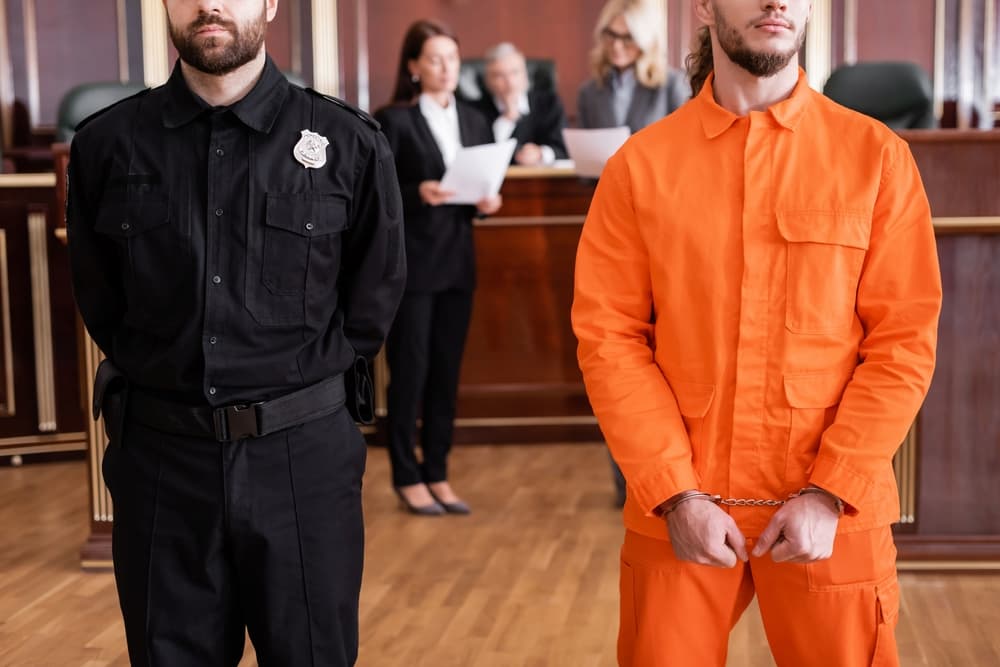
Bailiff. A bailiff is responsible for maintaining security in the courtroom during trials and hearings. Their duties include confiscating prohibited items, announcing the judge’s entrance, and ensuring order by managing disruptions and removing anyone causing disturbances. Bailiffs are also tasked with transporting individuals in custody to and from courtroom appearances.
Criminal justice graduates can also pursue further education to become attorneys, specializing in criminal law or defense. Their undergraduate studies provide a critical foundation for understanding the legal complexities and ethical responsibilities of practicing law.
Careers in Homeland Security and Emergency Management
Homeland security and emergency management offer growing opportunities for criminal justice graduates. Professionals in these areas protect communities from evolving threats, from terrorism and cybercrime to natural disasters, while coordinating efforts to keep people safe.
Homeland security agents. Criminal justice graduates working for agencies like the Department of Homeland Security (DHS) are tasked with preventing terrorism, securing the nation’s borders, and safeguarding cyberspace. Their training in criminal law, intelligence gathering, and risk assessment is invaluable in these high-stakes roles.
Emergency management coordinators. These professionals help communities prepare for and respond to natural disasters, terrorist attacks, or other emergencies. Criminal justice graduates bring their understanding of crisis management, public safety, and coordination with law enforcement to these vital positions.
By earning an online criminal justice degree in Michigan, graduates prepare themselves to succeed in these and many other fields. A criminal justice degree provides the foundational skills that graduates can use in pursuing a career in the areas that best align with their talents and interests.


